Books
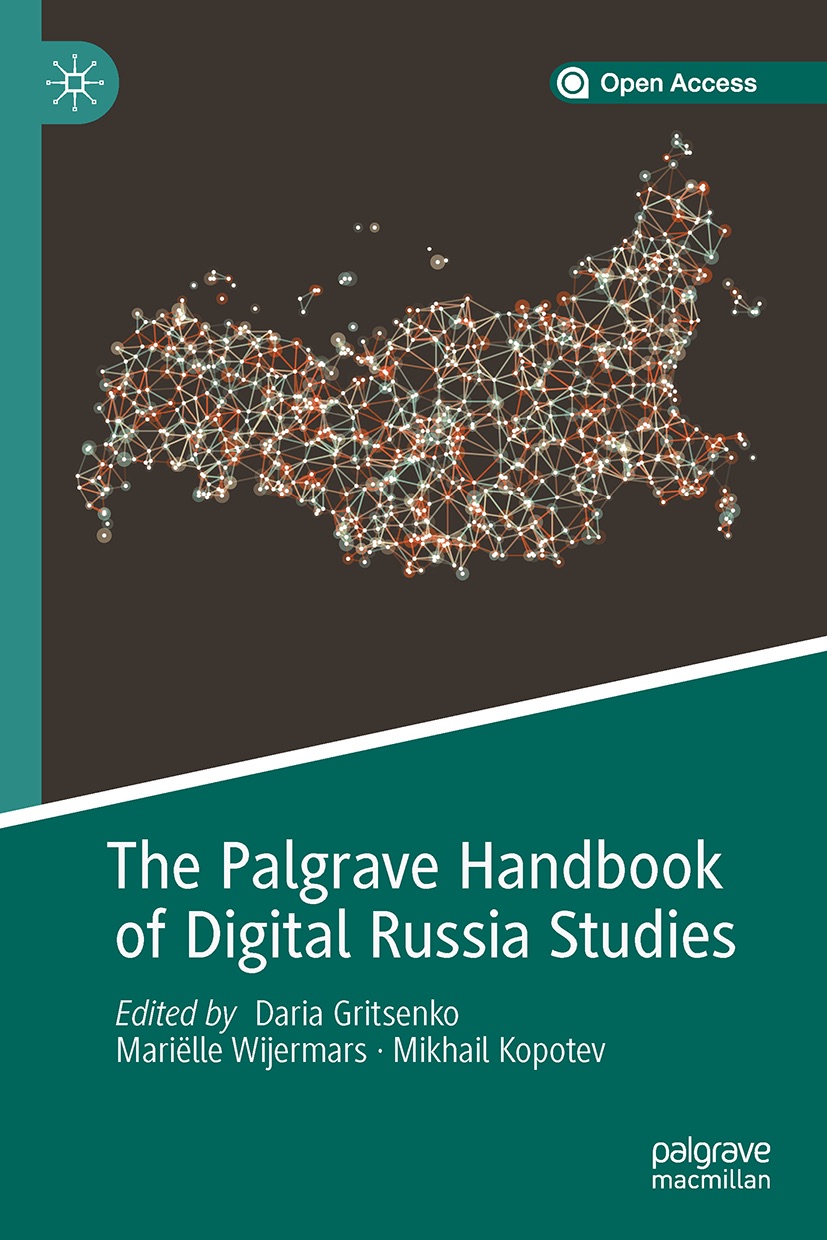
Gritsenko, D., Wijermars, M., & Kopotev, M. (Eds.). (2021). The Palgrave Handbook of Digital Russia Studies. Palgrave Macmillan.
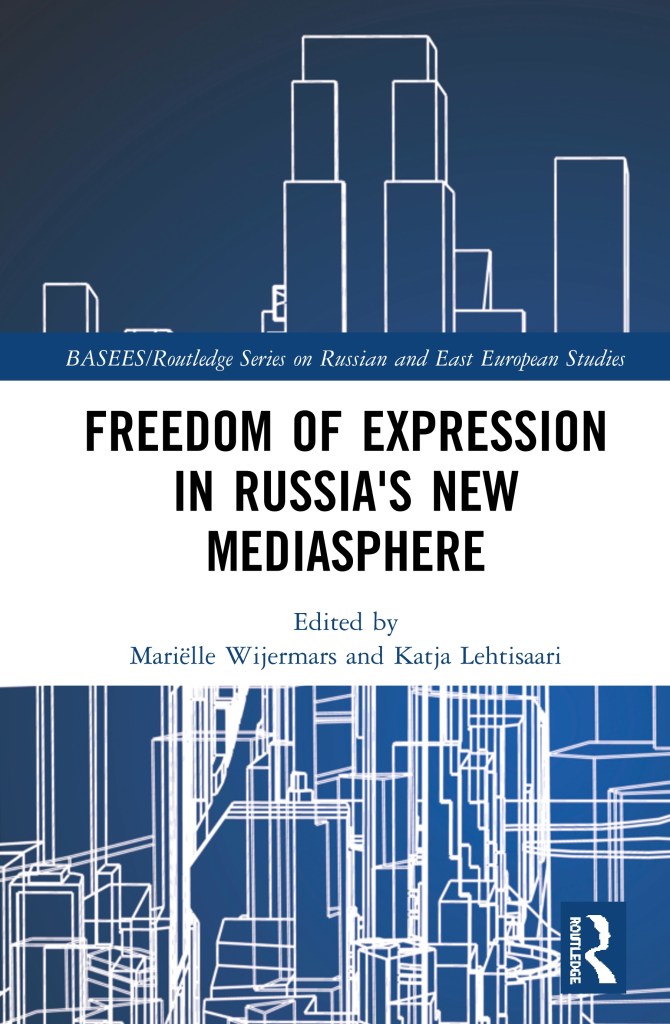
Wijermars, M., & Lehtisaari, K. (Eds.). (2020). Freedom of Expression in Russia’s New Mediasphere. Routledge.
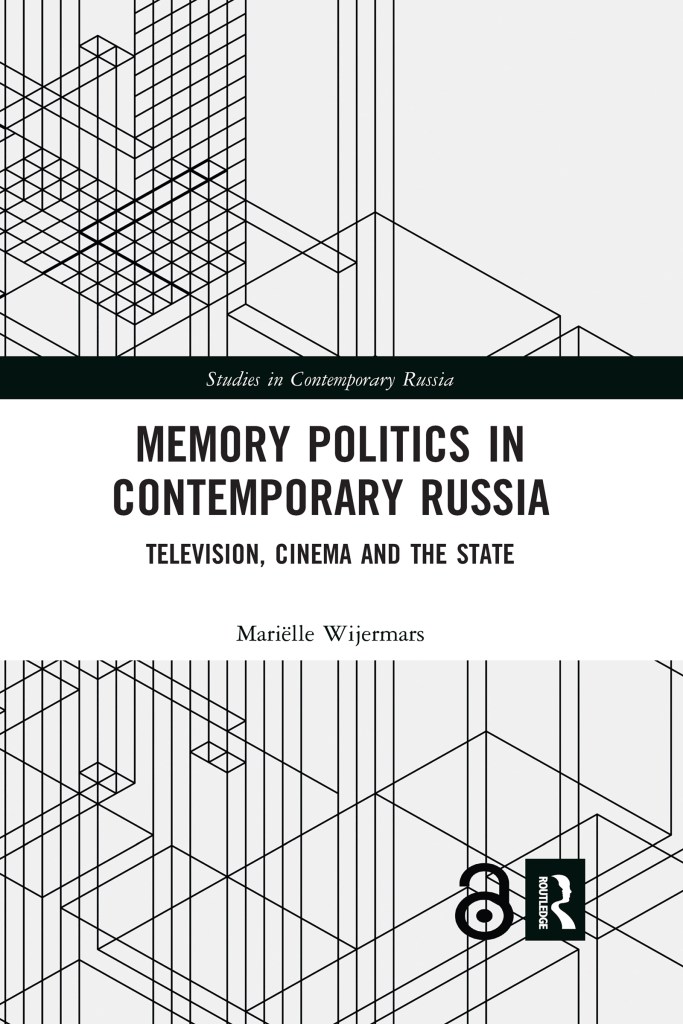
Wijermars, M. (2019). Memory Politics in Contemporary Russia: Television, Cinema and the State. Routledge.
Articles
Dovbysh, O., & Wijermars, M. (2025). Authoritarian Algorithmic Publics: Conceptualising the Nexus of Authoritarianism and Digital Innovation Uptake in Russian News Media. Digital Journalism
Wijermars, M. (2024). How ‘sovereign’ is Russia’s internet? What Russia’s confrontations with US platforms tell us about the limits to digital sovereignty. Atlantisch Perspectief.
Lokot, T. & Wijermars, M. (2023). The politics of internet freedom rankings. Internet Policy Review, 12(2).
Burkhardt, F., & Wijermars, M. (2022). Digital authoritarianism and Russia’s war against Ukraine: How sanctions-induced infrastructural disruptions are reshaping Russia’s repressive capacities. SAIS Review of International Affairs, 22(2), 21-43.
Makhortykh, M., & Wijermars, M. (2023). Can filter bubbles protect information freedom? Discussions of algorithmic news recommenders in Eastern Europe. Digital Journalism, 11(9), 1597–1621. https://doi.org/10.1080/21670811.2021.1970601
Wijermars, M., & Lokot, T. (2022). Is Telegram a ‘harbinger of freedom’? The performance, practices and perception of platforms as political actors in authoritarian states. Post-Soviet Affairs.
Wijermars, M. (2022). Selling internet control: The framing of Russia’s ban of messaging app Telegram. Information, Communication and Society, 1–17. https://doi.org/10.1080/1369118X.2021.1933562
Makhorthykh, M., Urman, A., & Wijermars, M. (2022). A story of (non)compliance, bias, and conspiracies: How Google and Yandex represented Smart Voting during the 2021 parliamentary elections in Russia. Harvard Kennedy School Misinformation Review, 3(2). https://doi.org/10.37016/mr-2020-94
Wijermars. M., & Makhortykh, M. (2022). Sociotechnical imaginaries of algorithmic governance in EU policy on online disinformation and FinTech. New Media & Society. https://doi.org/10.1177/14614448221079033
Dovbysh, O., Wijermars, M., & Makhortykh, M. (2022). How to reach Nirvana: Yandex, news personalisation, and the future of Russian journalistic media. Digital Journalism. https://doi.org/10.1080/21670811.2021.2024080
Wijermars, M. (2021). Russia’s law ‘On news aggregators’: Control the news feed, control the news? Journalism. https://doi.org/10.1177/1464884921990917
Sivetc, L., & Wijermars, M. (2021). The vulnerabilities of trusted notifier-models in Russia: The case of Netoscope. Media and Communication. https://doi.org/10.17645/mac.v9i4.4237
Ratilainen, S., Wijermars, M., & Wilmes, J. (2018). Re-framing women and technology in global digital spaces. Studies in Russian, Eurasian and Central European New Media, (19), 1–10.
Wijermars, M. (2018). Project ‘1917 – Free History’: Reliving the Russian Revolution in the digital age. Studies in Russian, Eurasian and Central European New Media, (18), 45–65.
Wijermars, M. (2016). Memory politics beyond the political domain: Historical legitimation of the power vertical in contemporary Russian television. Problems of Post-Communism, 63(2), 84–93. https://doi.org/10.1080/10758216.2015.1094719
Wijermars, M. (2015). The making of a political myth: Stability ‘po-Stolypinski’. The Ideology and Politics Journal, 5(1), 37–56.
Stähle, H., & Wijermars, M. (2014). Forget memory. Aleksei Navalnyi’s LiveJournal and the memory discourse of the protest movement (2011-2012). Studies in Russian, Eurasian and Central European New Media, (12), 105–128.
Book chapters
Lokot, T., & Wijermars, M. (Forthcoming). Telegram as a developing political actor: Conceptualising platform actorness. In Axel Bruns, Gunn Enli, Anders Olof Larsson, Jessica Yarin Robinson & Tanja Bosch (Eds.), The Routledge Companion to Social Media and Politics, 2nd edition.
Roberge, I., & Wijermars, M. (2025). Giving serious thought to bad policy and the state of democracy. In I. Roberge, H. McKeen-Edwards, & M. Campbell-Verduyn (Eds.), Ineffective Policies: Causes and Consequences of Bad Policy Choices (pp. 15-28). Policy Press.
Wijermars, M. (2021). The digitalisation of Russian politics and political participation. In D. Gritsenko, M. Wijermars, & M. Kopotev (Eds.), The Palgrave Handbook of Digital Russia Studies (pp. 15–32). Palgrave Macmillan. https://doi.org/10.1007/978-3-030-42855-6_2
Gritsenko, D., Kopotev, M. & Wijermars, M. (2021). Digital Russia Studies: An introduction. In D. Gritsenko, M. Wijermars, & M. Kopotev (Eds.), The Palgrave Handbook of Digital Russia Studies (pp. 1–12). Palgrave Macmillan. https://doi.org/10.1007/978-3-030-42855-6_1
Wijermars, M., & Lehtisaari, K. (2020). Introduction: Freedom of expression in Russia’s new mediasphere. In M. Wijermars & K. Lehtisaari (Eds.), Freedom of Expression in Russia’s New Mediasphere (pp. 1–14). Routledge.
Lehtisaari, K., & M. Wijermars. 2020. Conclusion. In M. Wijermars & K. Lehtisaari (Eds.), Freedom of Expression in Russia’s New Mediasphere (pp. 266–270). Routledge.
Wijermars, M. (2019). Framing revolution: Memory and the medialisation of crisis in Loznitsa’s Maidan and The Event. In A. Drost, O. Sasunkevich, J. Schiedermair and B. Törnquist-Plewa (Eds.), Collapse of Memory – Memory of Collapse: Narrating Past, Presence and Future about Periods of Crisis (pp. 93-110). Böhlau Verlag.
Wijermars, M. (2016). Encircling an unrepresentable past: The aesthetic of trauma in Karen Shakhnazarov’s Dreams (1993). In S. Brouwer (Ed.), Contested Interpretations of the Past in Polish, Russian, and Ukrainian Film. Screen as Battlefield (pp. 163-182). Brill Rodopi.
Special issues
Gritsenko, D., Markham, A., Pötzsch, H., & Wijermars, M. (Eds.). (2022). Algorithmic Governance in Context. New Media & Society, 24(4).
Yablokov, I., Schimpfossl, E., & Wijermars, M. (Eds.). (2021). Russian newsmaking: In the midst of self-censorship, market pressures and state control. Journalism, 22(12).
Ratilainen, S., Wijermars, M., & Wilmes, J. (Eds). (2018). Women and Tech in the Post-Socialist Context: Intelligence, Creativity, Transgression. Special issue, Studies in Russian, Eurasian and Central European New Media (19).
 mariellewijermars.com